Barges are used to transport cargo from one area to another through a waterway. They need to be tugged or towed along the river, lake or canal, and they are flat-bottomed to hold more cargo. There are many benefits of barge transportation, which makes it a vital resource for your logistics needs. If you’re interested in barge transportation, check out the types of barges that are available.
Dry Bulk Cargo Barges
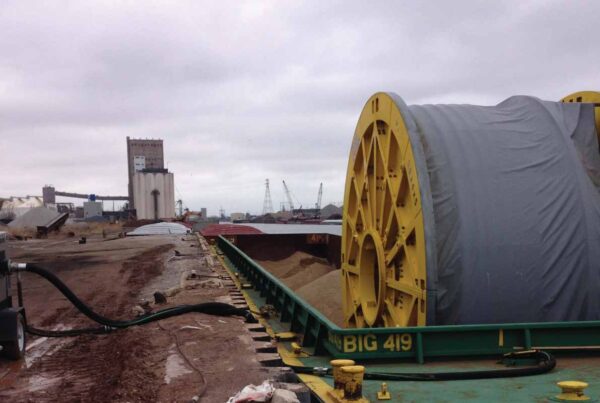
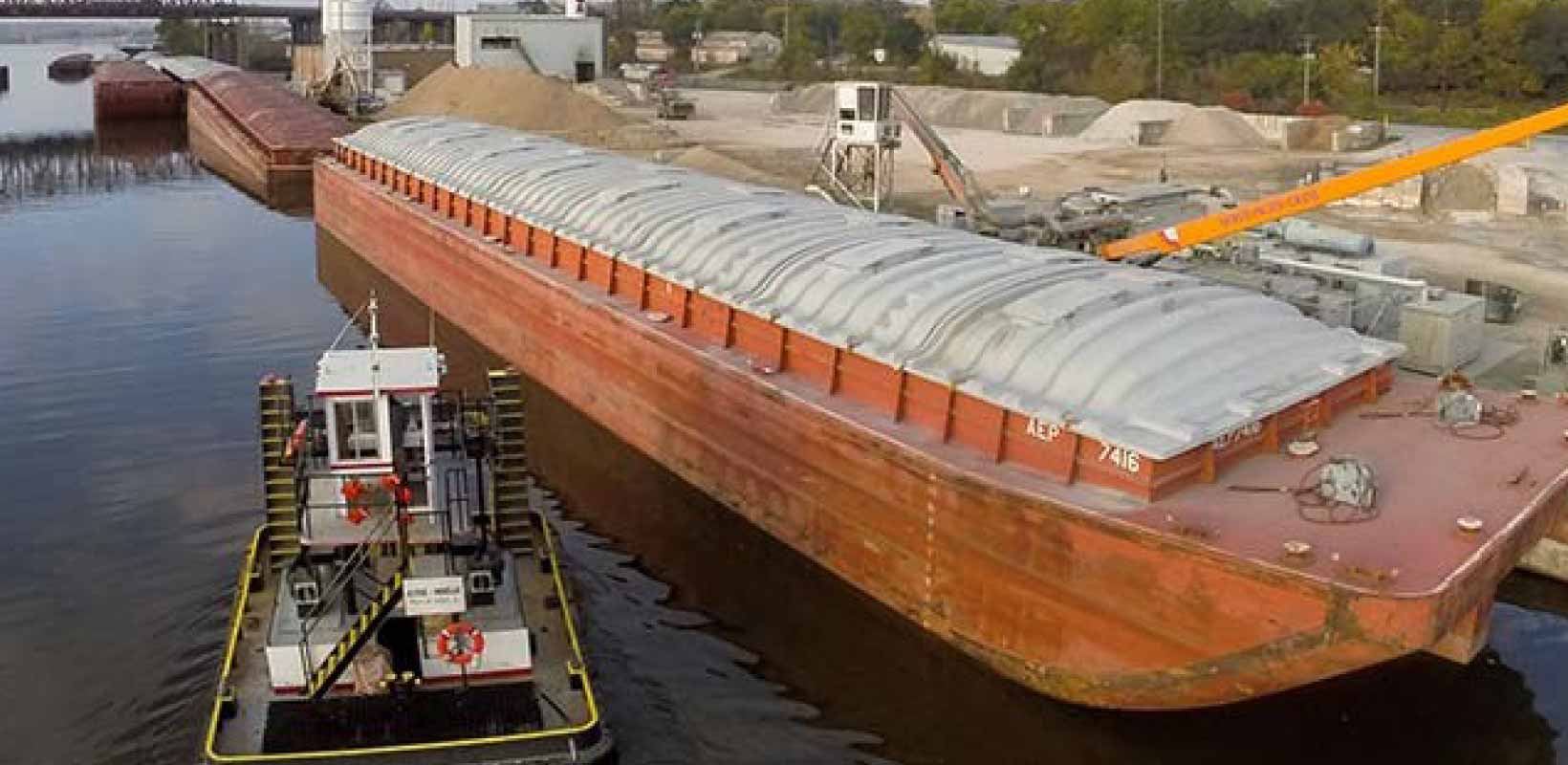
There are barges that are specifically designed to carry dry bulk cargo such as food grains, sand and building materials. These barges haul this dry cargo from one area to another, and sometimes they are all transferred through a system of barges.
Liquid Cargo Barges
Along with barges that carry dry cargo, there are specific barges built to carry liquid cargo, such as chemicals and fuels. These barges usually have to meet specific requirements, but since barges are designed with safety in mind, using barges to haul liquid materials is actually proven to be much safer than using rail or road. These barges also need to receive a thorough barge cleaning to ensure there is no contamination with other substances.
Car-float Barges
Although they’re not as common as they once were during the early 20th century, car-float barges are still used to transport rail cars from one location to another. These barges are fitted with tracks so the rail cars can easily fit on board. They can be used to transport old, non-working rail cars to get fixed, or they can be used to move rail cars to an area they otherwise couldn’t reach by land.
Power Barges
Power barges are essentially power plants that are installed on a deck barge. They were developed during WWII in order to provide power generation. While still used today, they can have single or multiple turbines, engines, boilers or nuclear reactors.
Deck and Construction Barges
These barges are built specifically to move large equipment like material handlers and other construction equipment. They are also often used to work on construction projects in congested areas that are located directly on bodies of water (think cities, dams, bridges, etc.).
Due to their size, speed and safety regulations, barges are a great method of transportation. Middle River uses barges to transport a variety of dry bulk goods. If you’re interested in moving some products via barge, contact one of our specialists today.